
Soil is not inert dirt—it is a living, breathing ecosystem. Beneath every farm and garden lies a complex web of minerals, microbes, fungi, organic matter, and water. This dynamic system supports plant growth, regulates water cycles, and drives nutrient availability. Yet across the globe, this foundation is under threat. Industrial agriculture, synthetic fertilizers, monoculture cropping, and aggressive tillage have degraded soils at an alarming rate. According to the Food and Agriculture Organization of the United Nations, one-third of the world’s soils are moderately to highly degraded. In the United States, topsoil loss and nutrient depletion threaten both food security and ecological integrity.
But there is hope. Regenerative farming and garden-scale soil rejuvenation offer a scientifically grounded path forward. By restoring biological activity, mineral balance, and structural integrity, we can rebuild soils that not only support optimal yields but also produce mineral-rich foods essential for human health.
What Is a Living Soil?
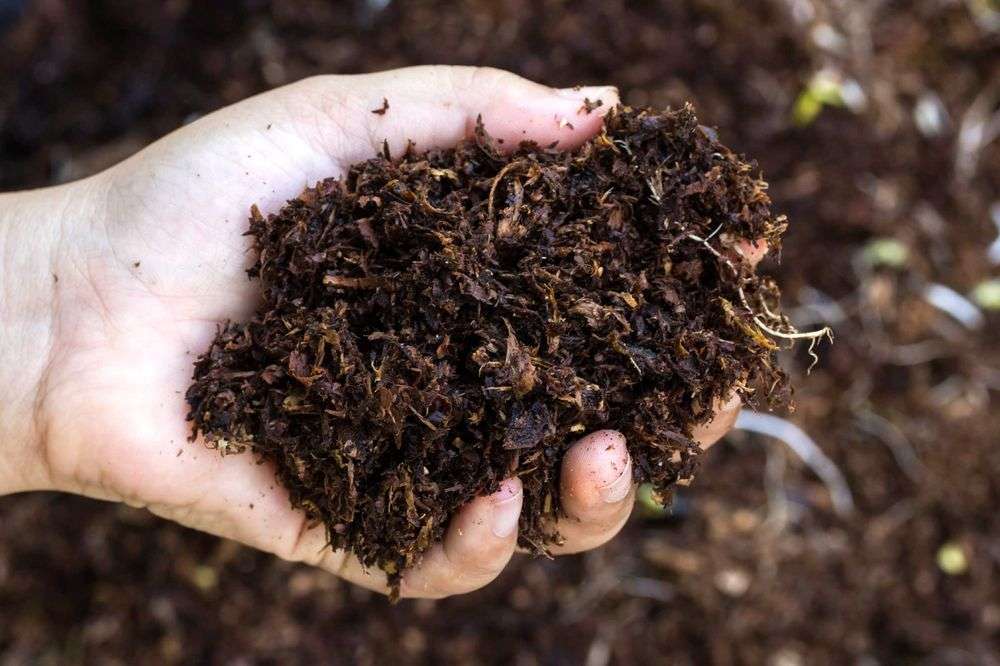
Living soils are biologically active ecosystems. They contain billions of microorganisms per gram—bacteria, fungi, protozoa, nematodes, and more—all interacting with minerals, organic matter, and plant roots. These organisms drive nutrient cycling, suppress pathogens, build soil structure, and regulate water retention.
Key components of living soil include:
Soil Organic Matter (SOM): Composed of decomposed plant and animal residues, SOM improves nutrient retention, water holding capacity, and microbial habitat.
Microbial Biomass: Microbes such as Rhizobium, Azotobacter, and mycorrhizal fungi form symbiotic relationships with plants, enhancing nutrient uptake and disease resistance creating a rejuventor impact in the soil.
Mineral Matrix: Essential elements like calcium, magnesium, phosphorus, and trace minerals form the backbone of plant nutrition and soil chemistry.
When soils are alive, they don’t just hold plants—they nourish them.
Regenerative Farming: Science-Based Soil Rejuvenation
Regenerative farming is more than a buzzword. It is a scientifically validated approach to restoring soil health, increasing biodiversity, and producing nutrient-dense food. Unlike conventional agriculture, which often depletes soil resources, regenerative practices rebuild them.
Core principles of regenerative farming include:
Minimize Soil Disturbance: No-till or low-till methods preserve soil structure and microbial networks. Studies show reduced tillage increases microbial biomass and carbon sequestration.
Maximize Biodiversity: Crop rotations, cover crops, and polycultures enhance microbial diversity and pest resistance. Diverse root systems support varied microbial communities and nutrient pathways.
Keep Soil Covered: Mulching and cover crops prevent erosion, regulate temperature, and feed soil organisms. Living roots exude carbon compounds that fuel microbial life.
Integrate Livestock: Managed grazing cycles stimulate plant regrowth and distribute manure. Manure adds organic nitrogen and phosphorus, while hoof action aerates soil.
Feed the Soil First: Inputs like compost, biochar, and microbial inoculants restore biological function. Rejuvenators such as Bio-Life and Shell Power rebuild microbial populations and mineral balance.
Rejuvenators: Tools for Soil Recovery
Rejuvenator are targeted inputs designed to restore soil biology and mineral integrity. They are especially valuable in degraded or compacted soils where natural recovery is slow.
Bio-Life: Microbial Rejuvenator
Bio-Life is a biologically active soil amendment formulated to rebuild microbial communities. Its low-toxicity, biodegradable composition makes it ideal for regenerative systems.
Microbial Restoration: Contains beneficial bacteria and fungi that colonize root zones and improve nutrient cycling.
Nutrient Bioavailability: Enhances solubilization of phosphorus, potassium, and trace minerals.
Ecological Integrity: Supports native soil organisms without disrupting existing ecosystems.
Scientific studies show that microbial inoculants like those in Bio-Life can increase root biomass, improve nitrogen fixation, and reduce disease incidence.
Shell Power: Mineral and Structural Enhancement
Shell Power is a calcium-rich amendment derived from natural shell sources. It improves soil porosity, root encapsulation, and plant resilience.
Root Encapsulation: Promotes root hair development and nutrient exchange.
Fungal and Nematode Defense: Triggers natural plant immune responses.
Porosity and Drainage: Enhances soil structure, reducing compaction and improving aeration.
Together, Bio-Life and Shell Power form a synergistic system for soil rejuvenation—restoring both biology and structure.
Nitrogen Fixation: Building Free Fertility
One of the most powerful benefits of living soils is their ability to generate plant-available nitrogen without synthetic fertilizers. This process, known as biological nitrogen fixation, is driven by symbiotic bacteria.
How It Works:
Nitrogen-Fixing Bacteria: Species like Rhizobium and Bradyrhizobium form nodules on legume roots, converting atmospheric nitrogen (N₂) into ammonium (NH₄⁺).
Free-Living Fixers: Azotobacter and Clostridium fix nitrogen independently in the rhizosphere.
Compost and Bio-Life: Provide the organic matter and microbial diversity needed to support these processes.
Benefits include reduced fertilizer costs, lower nitrate runoff and water pollution, and improved soil structure and long-term fertility. Shell Power enhances this cycle by improving root architecture and soil porosity, facilitating microbial colonization and nutrient exchange.
Mineralized Foods: The End Goal of Soil Rejuvenation
Healthy soils produce healthy plants—and healthy plants produce mineral-rich foods. Mineralized foods contain optimal levels of macro and micronutrients essential for human health.
Nutrient Density and Human Health Rejuvenator:
Magnesium: Critical for over 300 enzymatic reactions; often deficient in conventional produce.
Zinc: Supports immune function and wound healing.
Iron: Essential for oxygen transport and energy metabolism.
Selenium: Antioxidant that protects against cellular damage.
Regenerative systems consistently outperform conventional ones in nutrient density. A 2022 study published in PeerJ found that regeneratively grown crops had higher levels of magnesium, calcium, potassium, and phytochemicals than their conventional counterparts.
Brix Levels and Flavor:
Brix is a measure of soluble solids in plant sap—primarily sugars and minerals. Higher Brix levels correlate with better flavor, longer shelf life, and improved nutritional value. Living soils, rich in microbial activity and minerals, consistently produce high-Brix crops.
Garden-Scale Regeneration: Practical Steps for Growers
Regenerative principles apply just as powerfully in backyard gardens as they do on large farms. Gardeners can take simple, science-based steps to rejuvenate their soils and grow mineralized food.
Step-by-Step Guide:
Test Your Soil: Use a reputable lab to assess pH, organic matter, and mineral levels. Identify deficiencies and imbalances before applying amendments.
Apply Compost and Bio-Life: Feed microbial life with high-quality compost. Inoculate with Bio-Life to restore microbial diversity.
Use Shell Power for Structure: Improve drainage and root development. Apply in beds with compaction or poor aeration.
Plant Cover Crops: Use legumes (e.g., clover, vetch) to fix nitrogen. Rotate with grasses (e.g., rye, oats) to build biomass.
Avoid Synthetic Inputs: Chemical fertilizers and pesticides disrupt microbial networks. Use natural pest controls and organic amendments.
Monitor Progress: Track Brix levels, plant health, and soil texture. Re-test soil annually to guide future amendments.
Measuring Success: Indicators of Soil Rejuvenation
To evaluate the effectiveness of regenerative practices and rejuvenator, monitor these key indicators:
Soil Organic Matter (SOM): Aim for 4–6% in garden soils; higher in farm systems.
Microbial Biomass: Measured via respiration tests or DNA sequencing.
Aggregate Stability: Indicates resistance to erosion and compaction.
Crop Nutrient Density: Use Brix readings and tissue analysis.
Water Infiltration Rate: Faster infiltration suggests improved structure and porosity.
Ecological and Economic Benefits
Rejuvenating soils is not just good for plants—it’s good for the planet and the pocketbook.
Ecological Gains:
Carbon Sequestration: Regenerative farms can sequester up to 5 tons of CO₂ per acre annually.
Water Conservation: Improved infiltration and retention reduce irrigation needs.
Biodiversity: Healthy soils support pollinators, beneficial insects, and wildlife.
Economic Resilience:
Lower Input Costs: Reduced need for fertilizers, pesticides, and irrigation.
Premium Markets: Nutrient-dense, mineralized foods command higher prices.
Long-Term Productivity: Healthy soils maintain yields over decades, not just seasons.
Conclusion: Stewardship Through Science
Living soils are the foundation of regenerative farming and sustainable agriculture. They are not just a medium for plant growth—they are dynamic ecosystems that nourish, protect, and regenerate. By investing in soil health through science-based rejuvenator like Bio-Life and Shell Power, growers can restore ecological balance, reduce chemical dependency, and produce mineralized foods that support human health.
Whether on a sprawling farm or a backyard garden, the path to optimal yields and ecological resilience begins beneath our feet. Rejuvenating soils is not a trend—it is a necessity. Through regenerative practices and biological inputs, we can cultivate systems that give back, ensuring that future generations inherit land that is fertile, resilient, and alive.
Earths Fertilizers
Have a Question?
Contact us today!