
In the age of industrial agriculture and widespread soil degradation, the call for sustainable solutions has never been louder. Across landscapes once rich with microbial life, depleted soils now struggle to support crops, biodiversity, and ecological resilience. But a new generation of soil amendments—led by products like Bio Life—is changing the narrative. Acting as a singular rejuvenator, Bio Life offers a regenerative approach to farming that restores living soils, enhances nutrient bioavailability, and supports long-term sustainability without relying on synthetic inputs or harmful residues.
The Crisis Beneath Our Feet
Soil degradation is one of the most pressing environmental challenges of our time. Decades of over-tilling, chemical fertilizers, and monoculture farming have stripped soils of their natural balance, leaving behind compacted, lifeless substrates that no longer support healthy plant growth. The loss of microbial diversity—those unseen networks of bacteria, fungi, and other organisms—has led to diminished yields, increased susceptibility to pests and disease, and a growing dependence on external inputs.
In Florida and other regions where farming intersects with fragile ecosystems, the consequences are especially dire. Nutrient runoff, erosion, and declining soil fertility threaten not only agricultural productivity but also water quality and wildlife habitats. The need for a regenerative, sustainable solution is urgent.
Enter Bio Life: A Rejuvenator for Soil Health
Bio Life is a scientifically formulated, 100% water-soluble cationic liquid designed to reverse soil depletion and restore microbial vitality. Unlike conventional fertilizers that often disrupt soil ecology, Bio Life works in harmony with living soils, acting as a rejuvenator that rebuilds the microbiological foundation essential for plant health.
Its ingredients are entirely Non-GMO, nontoxic, and sustainably sourced. These soil builders are crafted to bring back microbial life in depleted soils, enhancing the natural processes that govern nutrient cycling, disease resistance, and root development. With low toxicity and minimal environmental persistence, Bio Life supports regenerative farming practices that prioritize long-term soil health over short-term gains.
Living Soils: The Foundation of Regenerative Agriculture
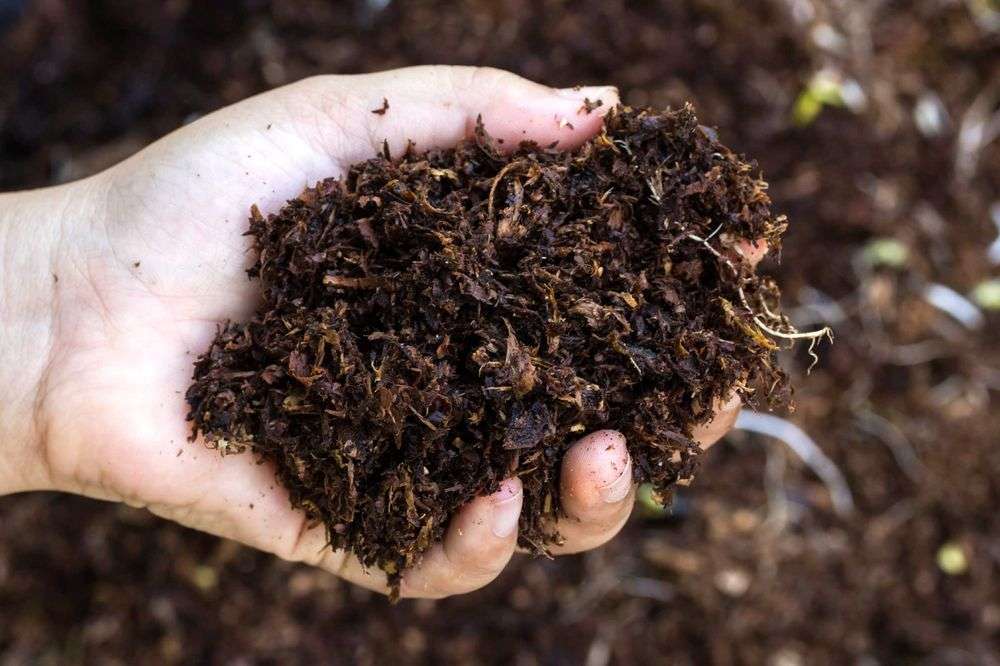
At the heart of Bio Life’s effectiveness is its commitment to living soils. Healthy soil is not just a medium for plant roots—it’s a dynamic ecosystem teeming with life. Beneficial microbes break down organic matter, fix nitrogen, and form symbiotic relationships with plant roots, improving access to nutrients and water. Bio Life enhances this microbial activity, helping to rebuild the soil’s natural balance and structure.
By restoring microbial diversity, Bio Life improves the soil’s ability to resist disease and pests. Plants grown in living soils supported by Bio Life show increased resilience, reduced need for chemical interventions, and improved overall vitality. This regenerative approach aligns with sustainable farming goals, reducing environmental impact while boosting productivity.
Sustainable Farming with Bio Life
Sustainable farming is more than a buzzword—it’s a commitment to practices that preserve resources, protect ecosystems, and ensure food security for future generations. Bio Life supports this mission by offering a low-impact, biodegradable solution that integrates seamlessly into organic and conventional farming systems.
Its low-residue formulation means it does not linger in the environment or accumulate in plant tissues. Instead, it delivers targeted benefits: improved nutrient bioavailability, enhanced root development, and increased crop yields. Farmers using Bio Life report healthier plants, more robust harvests, and a noticeable improvement in soil texture and fertility over time.
The Science Behind the Rejuvenator
Bio Life’s rejuvenating effects stem from its unique blend of cationic compounds and microbial activators. These ingredients work synergistically to unlock nutrients trapped in the soil matrix, making them more accessible to plant roots. The product’s water-soluble nature ensures rapid uptake and minimal waste, while its biodegradable profile ensures it leaves no harmful residues behind.
This technology also supports the building of natural and sustainable plant nutrition. Rather than relying on synthetic nitrogen or phosphorus, Bio Life encourages the soil’s own nutrient-generating processes. This not only improves plant health but also reduces the need for external fertilizers, lowering costs and environmental risks.
Regenerative Impact on Yield and Resilience
One of the most compelling benefits of Bio Life is its impact on yield. By balancing the soil and replacing lost microbiological flora, Bio Life creates conditions where plants can thrive. Crops grown in rejuvenated, living soils show improved access to nutrients, stronger root systems, and greater resistance to environmental stressors.
This regenerative effect extends beyond individual plants. Fields treated with Bio Life demonstrate improved water retention, reduced erosion, and enhanced carbon sequestration—key metrics in sustainable farming. As soil health improves, so does the farm’s overall ecological footprint, making Bio Life a cornerstone of regenerative agriculture.
Bio Life in Practice: From Backyard Gardens to Commercial Farms
Whether used in small-scale gardens or large agricultural operations, Bio Life adapts to diverse growing environments. Its ease of application and compatibility with existing soil management practices make it an accessible tool for farmers, gardeners, and land stewards alike.
In Florida, where sandy soils and high rainfall pose unique challenges, Bio Life has proven especially effective. Its ability to restore microbial life and improve nutrient retention helps mitigate leaching and supports healthier plant growth. As a rejuvenator, it offers a sustainable path forward for growers seeking to protect both their crops and their ecosystems.
A Rejection of Biochar, A Focus on Living Systems
While some soil amendments rely on biochar—a carbon-rich material derived from biomass—Bio Life takes a different approach. Rather than introducing inert substances, it focuses on activating living systems. This distinction is critical for regenerative farming, which depends on dynamic biological processes rather than static inputs.
Bio Life’s emphasis on microbial life, nutrient cycling, and ecological balance makes it a more holistic solution. By supporting living soils, it aligns with the principles of sustainable farming and offers a more adaptable, responsive tool for soil restoration.
Environmental Stewardship and Long-Term Viability
Bio Life’s low environmental impact is not just a feature—it’s a philosophy. Every aspect of its formulation, from ingredient sourcing to application, reflects a commitment to sustainability. Its biodegradable nature ensures that it supports soil health without compromising surrounding ecosystems.
This stewardship extends to its role in climate resilience. Healthy, living soils act as carbon sinks, capturing atmospheric CO₂ and mitigating climate change. By restoring microbial life and improving soil structure, Bio Life contributes to this global effort, making it a valuable ally in both local and planetary sustainability.
Summary: A Singular Rejuvenator for a Regenerative Future
Bio Life stands as a singular rejuvenator in the world of soil amendments. Its regenerative impact on living soils, sustainable farming practices, and ecological resilience makes it a transformative tool for growers and environmental stewards alike. By reversing soil degradation, improving nutrient access, and rebuilding microbial diversity, Bio Life offers a path toward healthier crops, stronger ecosystems, and a more sustainable future.
In a time when soil health is under siege, Bio Life provides hope—not through synthetic fixes or temporary solutions, but through the power of living systems. Its commitment to Non-GMO, nontoxic, and sustainably sourced ingredients ensures that every drop supports both plant vitality and environmental integrity. Whether you’re cultivating a backyard garden or managing a commercial farm, Bio Life invites you to join the regenerative movement—one living soil at a time.
Sources:
- Taylor & Francis On Biocrust Ecology and Functionality for Regenerative Agriculture
- Frontiers: Regenerative Agriculture Augments Bacterial Community Structure Microbial Solutions in Agriculture
- MPB: Microbial Solutions in Agriculture
Earths Fertilizers
Have a Question?
Contact us today!